A pump station might seem like a straightforward utility structure from the outside, but in practice, no two projects are exactly the same. A pump station could be required to move the wastewater of a housing development uphill, whereas another location may require pressure to be maintained over commercial buildings with shifting elevations. Some projects are considered municipal, others are private or industrial and each has their own requirements for design, regulations, and long-term operating goals.
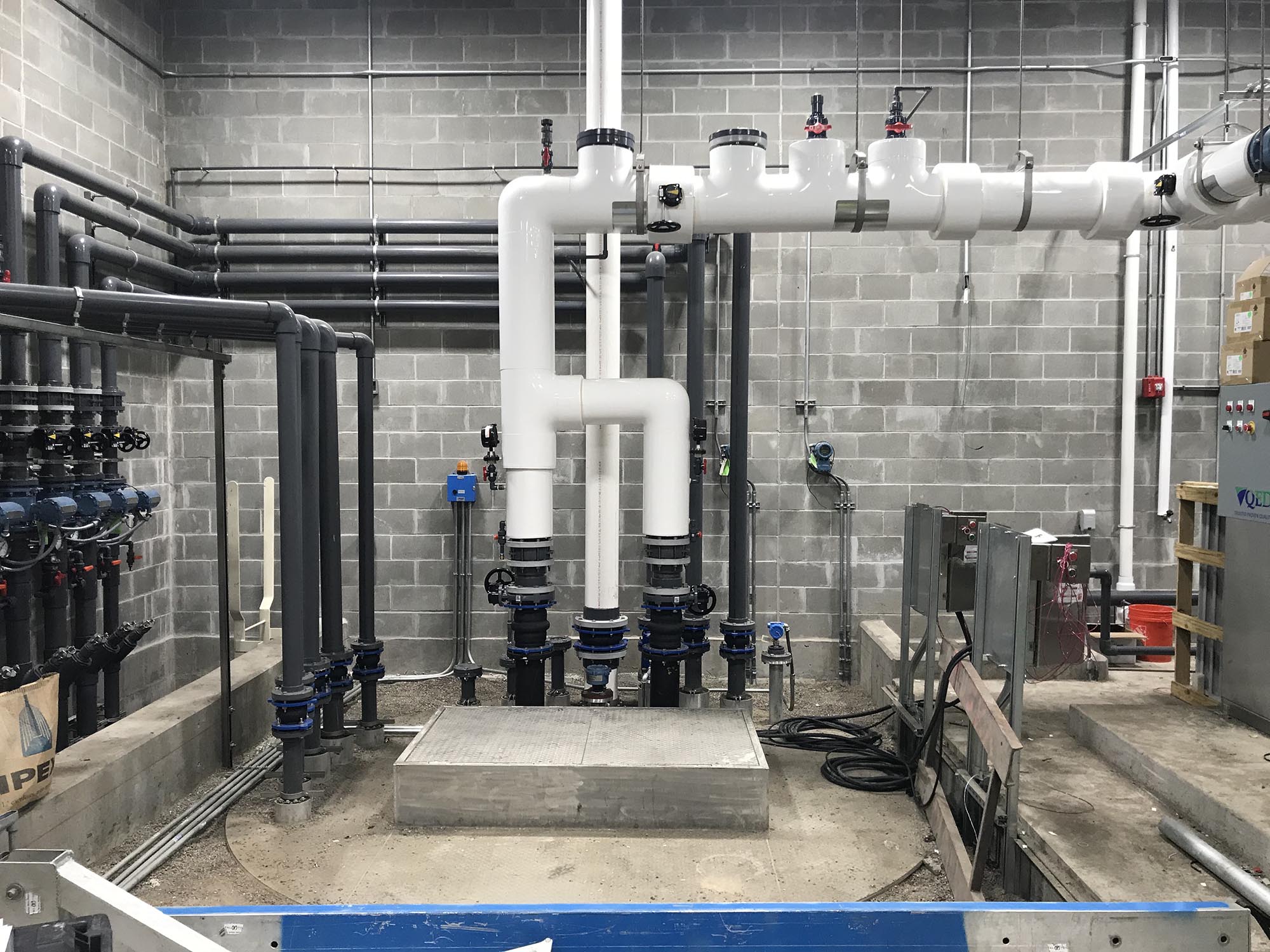
This is why it is that pumping systems are not made in an “one-size-fits all” mindset. A successful station will take into account the specifics of the area. This includes rate of flow, the requirements for ownership and the future of any property it is serving. Romtec Utilities works from that standpoint, ensuring that each pumping system to fit the exact needs of the project, instead of forcing the project to fit an unspecific system.
Good pumping design is about more than simply moving water
In essence, pumps are designed to move water or wastewater where gravity alone cannot do the job. However, designing a system that does what it is supposed to do is not enough. It also needs to be reliable, efficient, easy to maintain, and completely compliant with state and local requirements. It has to work not only on paper, but also in the daily reality of the people responsible for operating it.
It includes everything from the design of structural elements and sizing of wet wells controls, electrical systems, communication equipment and access to maintenance crews. The system can be plagued by operational problems for years in the event that even one component is not planned properly. Owners and engineers value working with the best lift station design engineers. If you’re trying to find a balance between the budget, constraints on site, hydraulic performance and long-term longevity at the same expertise is crucial.
Romtec Utilities brings these fields in one place. Rather than requiring the customer to collaborate with multiple vendors the company is in charge of all structural, electrical, mechanical, and communication components in a unified system. This single source approach typically saves time in the design process, eliminates confusion during procurement and provides a more smooth route to installation.
Package pumping systems simplify the process in the event that they are designed correctly.
Package pumps can make infrastructure projects by joining key elements into a unified solution. The real value lies in how the package is engineered. Poorly matched systems can cause issues with performance, over-use of equipment, unnecessary costs and even long-term maintenance issues.
Romtec Utilities views each package more of a solution than being merely a standard product. That means selecting the right valves, pumps, controls as well as enclosure options based on real site needs. This includes thinking about the way in which the system is expected to operate as well as how it will be monitored and maintained. When it comes to utility infrastructure, careful coordination during the design stage can help avoid bigger issues later on.
Booster Pump Stations can solve distinct type of problem in infrastructure
Some projects aren’t about water treatment. In many developments, maintaining the pressure of water is equally crucial as transferring sewer. This is why booster pumps are essential. These pumps are made to ensure water flow is efficient through a distribution system when shifts in elevation, long pipe runs or peak demand could cause pressure problems.
The design of booster systems are generally different from other types of systems. They could require control buildings, variable-frequency drives, SCADA integration and telemetry. Romtec Utilities designs these stations using the same specialized approach as wastewater systems, making sure that the final product is both functionally and operationally.
Better planning can ensure better long-term results
Early design support is one of the most valuable aspects of Romtec Utilities’ process. Before deciding on construction or procurement, teams may benefit from preliminary engineering and design assistance. Developers, consultants, and public entities can greatly benefit from this.
If it’s an wastewater lift station, a pumping system that is packaged or even one of the many custom booster pumps, the key to success is designing. The ideal design partner will accomplish more than provide the equipment. The right design partner helps create a solution that matches the needs of the site and supports the owner’s goals.
In the realm of utility work the most efficient solutions are often those nobody notices since they simply work. This kind of reliability is rarely a result of luck. It comes from thoughtful engineering, a strong coordination and the ability to build each system around the exact demands of the task.