Repetition of tasks is an enormous source of frustration when working with artificial intelligence. The AI assistant might give the perfect answer in one conversation, but get lost in the context of the next conversation is scheduled. To keep the conversation going developers typically provide the same documentation or project files repeatedly.
As AI is integrated into daily software, the effectiveness of this technique will decrease. Intelligent systems require the ability to retain relevant knowledge, retrieve instantly, and comprehend changes in information over time. Memory is now an integral part of modern AI architecture.
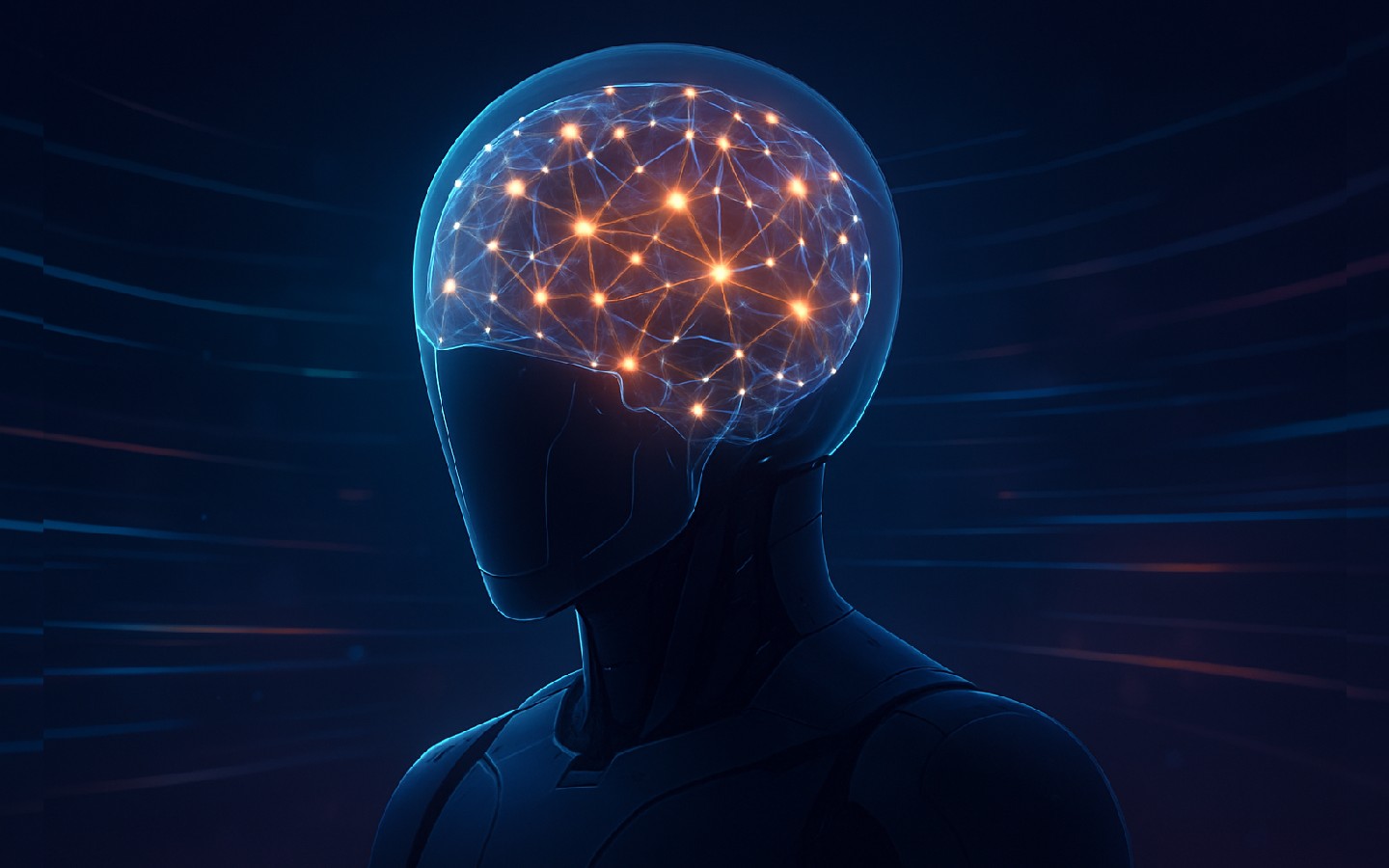
Memory turns AI from reactive into intelligent
An AI system that keeps track of prior work performs differently when compared to one that begins with a fresh start every time. Persistent Memory permits applications to detect patterns and comprehend ongoing projects. They can also provide answers based on the historical context, not isolated prompts.
Telys was designed to address this issue. Rather than functioning as another cloud service, it operates as an embedded AI agent memory engine that stores and retrieves information directly within the application. This design allows developers to effectively maintain context in addition to reducing redundant computations as well as processing. This results in an AI experience that feels significantly more natural as the program recognizes what is important.
Local data storage speeds up speed as well as privacy
Performance is no longer measured solely by the speed at which an AI model generates text. Speed of retrieval, system responsiveness, and data security are now equally crucial for businesses that are deploying AI in their production.
Using memory on the device for AI agents allows programs to access relevant data without relying on constant communication with servers outside. Because memory is kept within the AI environment local to agents, queries can be executed more quickly, while also allowing companies to have better control over sensitive information. This type of architecture is ideal for developers who are developing internal tools, enterprise applications, and privacy-sensitive applications where data ownership must not be compromised.
The memory behind the scenes can be a great benefit to developers
The development of intelligent software shouldn’t involve creating a complex infrastructure to save context. Developers prefer tools that easily integrate with existing workflows and do not add any additional overheads for operation.
Local MCP memory servers enable this, permitting users of compatible AI applications to connect to persistent memories within the local ecosystem. AI assistants don’t have to move data repeatedly across different APIs. They can obtain the data they require directly from a memory which is already connected to an application. This process speeds development and cuts down on delay for large teams that work on projects with changes to codebases or documentation.
AI can only be effective if it is built with long-lasting context
Artificial intelligence is advancing beyond simple conversation into systems capable of analyzing and planning complex tasks on their own. They require a reliable memory to keep information in all interactions.
Telys is an advanced AI memory system that provides permanent local retrieval, specially designed for intelligent apps that require speed, dependability as well as privacy and security. When combined with on-device memory to support AI agents, and a powerful local MCP memory server, Telys allows developers to create software that is able to remember past work, and retrieves knowledge immediately and is constantly improving with time.
The ability to think clear and precise will be more valuable as AI integrates more deeply into business operations. Through providing intelligent systems with lasting information instead of merely temporary conversations, Telys helps developers create AI applications that appear faster, smarter, and far more practical in the everyday workplace.