Global sourcing is no longer only about finding the cheapest price or the fastest supplier. Buyers today face a myriad of difficult challenges, which include disruptions to supply chains and quality concerns. They also must manage rapidly changing market conditions. In this scenario it is essential to have a reliable B2B online marketplace becomes less of a necessity, and more of a necessity to do business safely across international borders.
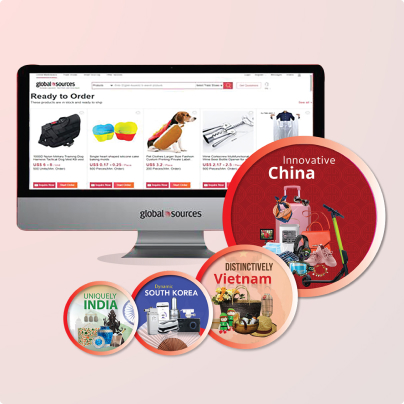
Modern B2B platforms for sourcing have been designed to tackle real-world problems. It does not overwhelm buyers with endless listings but instead connects genuine buyers to established, reliable suppliers. The shift of quality and not quantity of products has profoundly changed international trade relations.
Moving beyond simple supplier listing
The traditional sourcing strategies were founded on a cold approach, limited information, and the guesswork. Buyers would have to take hours evaluating suppliers by comparing their capabilities and assessing the risks. By offering transparent product details as well as pre-verified supplier profiles a well-organized B2B website marketplace can remove much of the stress.
What is truly valuable However, what really adds value is contextual information. Market intelligence, analysis of industry trends, and expert insight aid buyers to not only know the products they can purchase, but also when and the reasons behind it. This helps companies anticipate price changes or fluctuations in demand, as well as the emergence of new business opportunities.
The Advantages of an Offline-to Online Sourcing model
While technology is the primary source of modern sourcing, human interaction plays an important role in building trust. This is where the Online-to-Offline (O2O) model demonstrates its value. Online research lets buyers find suppliers, narrow down their choices, and then enhance relationships offline via trade exhibitions and other business match-up events.
A lot of times the decision to purchase is made faster when a person is able to see the product in person and discusses customization options with the supplier. This offline experience is enhanced by digital platforms, apps for mobile devices, as well as central communication tools are utilized.
Assisting Buyers through the Whole Sourcing Journey
When a buyer is able to find an organization, a robust B2B platform doesn’t disappear. It provides value through tailored suggestions, exclusive buyer programs, and community driven initiatives. These features allow buyers to explore new categories, discover the latest products, and gain access to opportunities that they would otherwise miss.
Incentives and buyer communities can also help create a sense continuity. They encourage regular participation, knowledge sharing and lasting cooperation, rather than just single-off deals. Over time, the ecosystem approach builds trust and enhances the outcomes for all parties.
Incorporating the Global Market Changes
Global commerce is shaped constantly by economic changes, regulatory updates, and evolving consumer expectations. A customer-centric B2B online marketplace adapts alongside these changes by expanding digital capabilities, refining matching algorithms, and enhancing data-driven insights.
Sustainability is also more important. Customers are increasingly seeking suppliers that align with responsible manufacturing and ethical business practices. Modern sourcing platforms can assist businesses meet their legal and social obligations without compromising on efficiency by providing sustainable solutions, encouraging transparency, and encouraging sustainability.
Building Trusted Relationships that Create Long-Term Value
At its heart, the success of a B2B sourcing platform is built on trust. Trust in the authenticity of the supplier and accuracy of information, and trust in the platform’s commitment to the long-term benefits. All of these elements can change sourcing from a slow and risky activity into an advantage.
In a world of speed, reliability and information the B2B trustworthy online marketplace provides companies more than an access point. It gives them confidence. A sense of confidence is necessary for making informed business decisions, create lasting partnerships, increase sustainable growth, and succeed in a world economy which is becoming increasingly interconnected.