For one buyer, the appeal of the wig’s shade is offset by a cap that feels uncomfortable after several hours. A natural-looking front is welcome, but another customer finds twenty minutes of morning lace adjustment more preparation than desired. Someone else buys a beautiful unit, only to discover that the density feels heavier than expected.
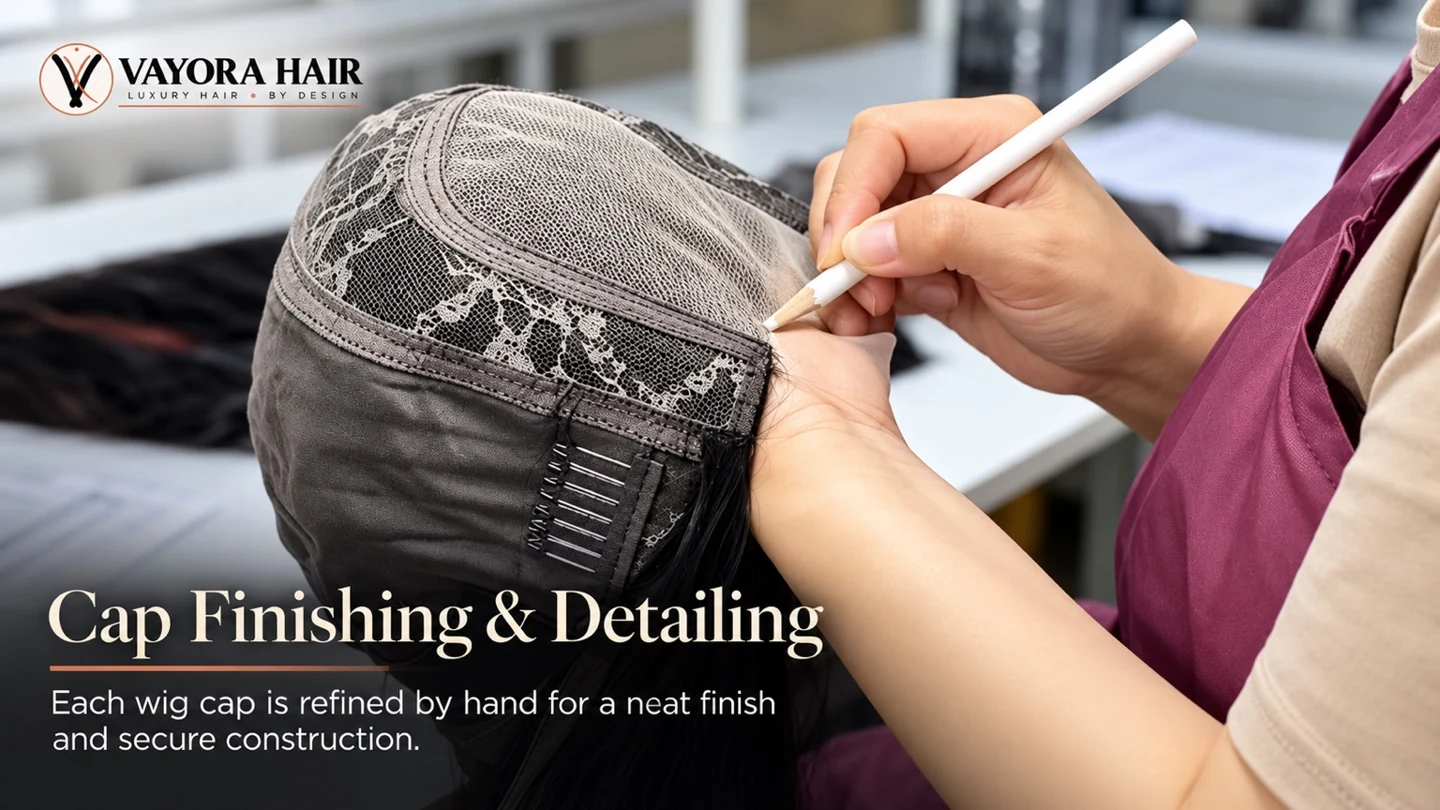
Image credit: vayorahair.com
To a brand selling wigs, these remarks represent more than routine feedback. Such observations can guide product development toward products that deliver a better experience for wearers.
Successful wig collections aren’t necessarily built around the latest viral hairstyle. They’re built around understanding what customers want to experience when they put a wig on.
Look Beyond the Purchase
Buyers seldom use production terminology to explain what they need. Instead, their feedback center on comfort and convenience, appearance and confidence. A glueless design could be one response to feedback about making mornings easier. An unrealistic hairline may signal a problem with how the lace looks, the treatment of knots, density, or the way the part is designed.
A human hair wig manufacturer China brands work with should be able to translate these everyday concerns into measurable product specifications.
Rather than asking for a 22-inch body-wave wig alone, a buyer can outline the experience intended for wearers, cap fit, lace construction, the look of the hairline, and finished weight. Such precision provides the development team with a more precise goal.
Give Your Private Label Range a Recognizable Identity
A common mistake for emerging wig brands is to stock their catalogs according to whatever is popular at the time. Such an approach can leave the brand with a collection that closely resembles competitors’ offerings.
A collaborative relationship with a private label wig manufacturer China retailers choose can help a brand develop a more unified product identity. A brand could focus on lightweight daily-wear wigs, premium natural-hairline designs, or ready-to-wear styles for customers who favor a simpler preparation routine. To keep the collection consistent, align texture, length, color, density, cap construction, and packaging with the same promise to the wearer. A identifiable product range can encourage repeat visits for reasons other than a short-term promotion.
Look Beyond the Glueless Label
A glueless label may be straightforward, yet how the wig feels during wear is shaped by a number of design choices. A comfortable and secure fit depends on cap sizing, adjustment features, attachment components, lace preparation, and hairline design.
Defining the construction criteria before production is something a glueless wig manufacturer China buyers work with should assist with. A brand serving new wig wearers, for instance, might focus on manageable density, pre-cut lace, and straightforward adjustment features. By contrast, a range for professional stylists may call for a different set of customization features. Neither approach is automatically better. Each serves a different customer.
Sampling Protects the Brand’s Reputation
Even a good product photograph provides only part of the information about a wig. A buyer should assess cap fit and hair movement, check the color against expectations, and verify whether the finished construction matches the approved design. The sample stage creates an opportunity to notice inconsistencies ahead of a larger order.
When a wholesale human hair wigs supplier needs to produce a style repeatedly, written specifications and quality-control procedures are particularly important. A lack of clear production references can make it difficult to reproduce the results of a successful first batch consistently.
Expanding a Wig Range With a Clear Direction
VAYORA works with B2B wig brands, retailers, and distributors to support product development, private label services, sampling, specification control, and repeat-production processes. The approach relates customer expectations to the physical features that shape the wig’s appearance, fit, and feel.
Before expanding a catalog, brands should examine customer feedback, identify their strongest product opportunities, and establish clear approval standards. The next successful collection may not require more styles. It may require fewer compromises in the styles customers already want.